Lesson 9
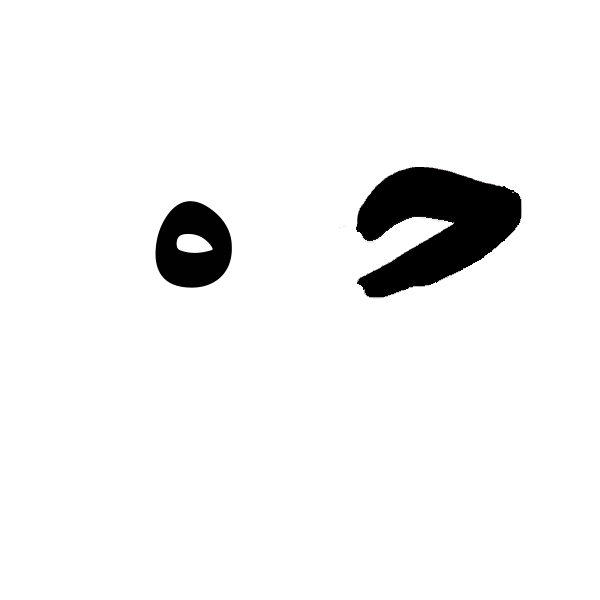
This is what the sukoon can look like.
It is used to show the absence of a vowel. It simply means do not make the sound of a vowel on that letter.
For example, the letter Fa فْ with a sukoon is pronounced as ff, I didn’t say fa, I didn’t say fu, I didn’t say fi. I said it with no vowel, fff.
Another example, sheen شْ with a sukoon, shh
Ta تْ with a sukoon, tt.
Tha ثْ with a sukoon, thh
Jeem جْ with a sukoon, je.
Similar to English words. For example, the word Bat, the ‘t’ has no vowel. Transliterated to Arabic it looks like this بَتْ Bat.
If I put a fatha it will be bata بَتَ, a kasra will be bati بَتِ and a dammah is batu بَتُ . With a sukoon it’s bat بَتْ.
Lets practice some Arabic examples.
أَثْ
A and thhh makes Ath
اِذْ
I and dh makes Idh
تَوْ
Taw
شَيْ
Shay
دَوْ
Daw
أُفْ
U and Ff makes Uff
أَأْ
This one is a tricky one. A and au makes au. It’s like a half pronounced a.
اِأْ
Another similar one, iu
أُأْ
And this one is Ua
مِنْ
Mi and N makes min
دَمْ
dam
أَلْ
A and l makes Al.
So if we put a kasra it becomes ali أَلِ, if we put a dhammah it becomes alu أَلُ and fatha becomes ala أَلَ. And a sukoon it is Al أَلْ